IMA ASIA

Geopolitics

Asia Bulletins, Asia Pacific, Geopolitics

War rooms and Safe havens

War rooms and Safe havens April 21, 2026 Supply strains emerge: daily war rooms and tough trade-offs   What’s new: Asia CEOs are seeing the impact of the war in Iran on their supply chains, with tighter feedstock supplies, rising logistics costs, and longer lead times. The effects remain uneven across sectors and geographies, but early stress points are forcing uncomfortable decisions. Leaders are moving from strategic planning to triage, from price risk to availability risk. There’s a war room every day with my leadership team to make decisions on everything from rerouting supplies to raising prices with customers. Never a dull moment.’ (science-based service provider) Supply chain resiliency is the key question in this very uncertain world. This is my biggest concern right now, which is keeping me up at night. (global manufacturer with assembly in the US) Here’s what Asia CEOs and managers are saying. Feedstock gaps are emerging, sometimes in unexpected places. Customers are cutting operations because they are running out of feedstock. Packaging suppliers sent us force majeure letters because the petroleum-derived raw materials, or resin feedstocks, are not reaching the region. We have a vast supply chain network with redundancy capability, but packaging is not viable if it must be air freighted. Air cargo prices are through the roof. In a few weeks, we could run out of some plastic jug SKUs. We are having to increase prices. Inflation hit us hard on transportation costs, and now it’s impacting raw materials. We are in crisis mode. Scarcity is forcing tough trade-offs on the factory floor and with customers. In chemicals and plastics, the past month has been chaotic. Energy prices matter, but the bigger issue is feedstocks. Crude and gas are refined into inputs for chemicals and plastics. Across the region, supply is disrupted. Key inputs like naphtha and LPG are in short supply. Producers in Korea, Japan, and Taiwan are scrambling — deciding how hard to run plants, how long inventory will last, and prioritising customers who can pay higher prices. Planning has become extremely difficult. Running plants too low is inefficient and costly; running them too high, burns through feedstock too fast. Both carry risks, including equipment damage. So, it’s constant trade-offs, every day. Energy exposure varies significantly by country and needs to be assessed… We are going country by country to understand how much energy is coming from the Middle East or elsewhere. Our team has been doing a deep dive to educate ourselves. Our Vietnam country head said energy costs rose by 50% in February due to energy shortages. Hydro and coal are the main energy sources; gas accounts for only 10%. While Malaysia is more stable. High fuel costs limit the mobility of employees and goods. So many Asian countries are energy dependent and people can’t afford the high prices. This makes it hard for employees in outsourced business functions, such as HR or finance, to get to work when fuel costs are so high. In Sri Lanka, companies are letting employees work from home or arranging busing to get them to the office. We are absorbing material costs for now, but logistics costs have gone through the roof. At the end of the day, we must deliver the P&L. We are discussing price increases with customers. Air freight has become an expensive stopgap for some. I advise a British company with a large factory in Dubai that supplies India and parts of the Middle East. We are using air freight from the UK to keep supplying our Indian customers while Middle East sales are down by 50%. But thankfully, customers in the Gulf are still discussing future orders, so there is still a pipeline. China’s energy mix offers a temporary buffer. We have huge supply chain issues in India. Our powder-coat facilities require large amounts of gas to bake the paint. We are considering temporarily switching production back to China to avoid disrupting the customer experience, but this will have significant import tax implications. We are eating all the costs for now, but I don’t know how long we can do that for. Coal-based chemical production has kept running in China…despite the push towards renewables. Energy is where China stands out. There was a lot of talk about China moving away from coal toward solar, wind, and hydrogen. But in the chemical industry, China maintained coal-based production. Coal prices have barely moved, and coal-to-chemicals is running very well. China’s oil demand was expected to decline as EVs and renewables grew, yet it continued to stockpile oil. Looking back, their strategy is vindicated. What’s next: keeping an eye on other vital maritime chokepoints. Members raised concerns about the Taiwan Strait, the Panama Canal, and the Suez Canal. Panama has taken steps affecting CK Hutchison’s port concessions, further straining relations with China. While in Egypt, China has invested substantially in the Suez Canal. Ships are avoiding the Suez Canal because of higher insurance premiums and other risks. They are going around the southern tip of Africa, causing delays of 10 to 18 days for shipments to Southeast Asia coming from Europe and the US East Coast. We are also aware of the strategic presence of Chinese investment in that part of the world and in the Panama Canal, which creates some uncertainty. Bottom line: The Strait of Hormuz disruption is still working its way through the system, and the impact is uneven. But as buffers erode, more sectors are likely to face the same trade-offs caused by price volatility and availability risk. Silver Linings and Safe Havens   What’s new: Cancelled flights to the Middle East (and more recently China), along with rising fuel costs, are disrupting long-haul travel and compressing airline margins.   On the ground, however, more than one Asia CEO shared their experiences of packed regional hubs. There are media reports that taxis stopped running to the Bangkok airport because of fuel prices but that seems overstated. I was just in Bangkok, the airport was jam-packed, same as

Asia Bulletins, Asia Pacific, Geopolitics

Beyond oil: the blocked Gulf inputs that hurt Asia the most

Beyond oil: the blocked Gulf inputs that hurt Asia the most April 14, 2026 Since the Strait of Hormuz closed, oil and LNG prices have dominated the headlines. But as the war continues, the story that will define the next six to twelve months is the rising prices of everything else stuck in the Gulf. The Asia Bulletin reflects insights from IMA’s peer forums for CEOs and senior leaders. It highlights anonymised perspectives that surface the issues executives are grappling with firsthand. Reach out to us if you’re interested in the full report. It turns out that the Strait is a critical chokepoint for far more than oil.   For example, the Gulf is a major supplier of fertiliser inputs (e.g., urea) and helium to Asia. As these become scarcer, the prices of food and semiconductor chips will skyrocket. In late March, IMA Asia invited Nenad Pacek, founder of the EMEA Business Group and a 35-year veteran of Middle East business intelligence, to share his expertise with our members. The second-order supply shocks building behind the scenes were discussed. Even if the Strait were to reopen in the coming days or weeks, stockpiles of critical inputs are rapidly depleting, and damaged production sites across the Gulf will take time to repair. The impact across Asia will vary by industry and degree of dependence, but long-tail inflationary effects are to be expected. There appears to be no quick fix. Even in the base case of the war ending in the next month or so, Pacek advised: The clearance of the logjam and backlogs will take a while… our shipping clients believe this could linger into late Q2 or later. Below is a sample of the shortages to watch out for, along with a checklist to help Asia CEOs take action. The chips and electronics industries face helium and bromine shortages Helium is a big ingredient for the semiconductor industry. About 30% of the global supply comes from the region, mainly Qatar. Now it’s completely disrupted as well. Helium: Operations at QatarEnergy’s Ras Laffan Industrial City, the world’s largest LNG export facility, which produces helium as a byproduct, were halted after it was struck by an Iranian drone early in the war. Iranian missiles subsequently crippled the plant further. Spot helium prices have since doubled. For Asia’s chipmakers, the exposure is acute as stockpiles deplete. South Korea and Taiwan source more than 60% of their helium from Qatar, leaving them highly exposed. Japan has a more diversified supply base, sourcing only 30% of its helium from the Gulf. Bromine: used in precision chip etching and as a flame retardant in circuit boards, is also putting Korea’s electronics industry at risk. It is a quiet chokepoint that gets little media coverage but has a high concentration risk. Around two-thirds of the world’s bromine production comes from Israel and Jordan (from the Dead Sea), but Korea relies on Israel for most of its supply. The food and ag industries face fertiliser shortages (lacking inputs like urea, sulphur, etc.) as the planting season looms About 35% of the world’s fertiliser imports come from the Gulf. And about a third of the world’s urea passes through the Strait of Hormuz. The price of fertiliser has skyrocketed as shortages mount. The timing could not be worse for countries like India, with planting season on the way. India has an 800,000-ton deficit in its monthly urea production of 2.6 million tons due to limiting industrial gas supply to the 70–75% range. Furthermore, disruptions to ammonia imports have brought local production to a standstill, as the country sources 80% of its ammonia needs from the Gulf region. India is turning to Chinafor assistance. Australiaexpects current stocks to run out by mid-April, as it sources over 60% of its urea from the Middle East. A domino effect… Strait closure leads to shortages of urea and sulphur, which in turn cause shortages of nitrogen and phosphate fertilisers. Down the road, this could lead to lower crop yields, food price inflation, and potentially political instability. …on time delay. Experts expect inflation to spike mid- to late Q2 if the war extends. Food inflation will lag behind fertiliser price rises by three to six months, meaning H2 2026 is the key window to watch for food price cascades in Asia. Manufacturers face shortages in petrochemicals and aluminium A lot of the world’s supply chains — whether it’s the car industry, heavy industry, or plastics — depend on critical petrochemical components from the Gulf. And a lot of that is just simply not leaving. Petrochemical shortages are the hardest to quantify but could potentially result in the broadest shock. The Gulf’s SABIC, BOROUGE, QAPCO, and affiliates produce ethylene, propylene, polyethylene, methanol, and hundreds of downstream derivatives used globally in electronics, packaging, automotive, and pharma applications. For aluminium, it goes beyond logistics headaches. Iran has targeted the region’s major aluminium plants with missiles and drones. Kuwait, Qatar, and Bahrain are all stuck. All the aluminium exports from Bahrain are stuck, which has a global impact on top of everything else. The Middle East supplies 9% of the world’s aluminium, and Bahrain accounts for 3%. Aluminium prices hit a four-year high in March, with some suggesting they could reach $4,000 per ton if the industry faces severe disruption. One caveat: Chinese-invested aluminium plants in Indonesia are expected to ramp up production this year. A global logistics logjam — ships and containers stuck in the Gulf Ships and containers unable to offload their cargo remain in the Gulf, tying up shipping capacity needed elsewhere and driving prices higher. Hundreds of thousands of containers —up to 2 million TEU of cargo once downstream disruption is considered — are caught in the Gulf. That’s a global shipping disruption because those containers cannot be in Asian ports, the Port of Los Angeles or Rotterdam. So it’s already significantly increasing global shipping costs. The routing problem is not easily fixed – there are few port alternatives to the Strait in

two businesses people shaking hands Bridging the Protectionist Gap in China
China, Geopolitics, Market, Strategy

Bridging the Protectionist Gap in China

Bridging the Protectionist Gap in China August 22, 2024 Signs of rising protectionism amidst the country’s push for self-sufficiency are concerning to China CEOs. ‘Nationalism is on the rise. We were excluded from public bidding in steel, which is not a sensitive sector.’ ‘Guest speakers advised us that increasingly big Chinese companies only want to work with 100% locally supplied firms. If you cannot prove you are sourcing locally, you are out.’   Foreign firms don’t have to accept the cold shoulder treatment. CEOs can influence how their firm is regarded if they sell their firm’s China story often and well. Setting the record straight matters. ‘I am working much harder on our storytelling. We have local IP and 95% local manufacturing, so our products are made here. We must act because this (nationalism) will only get worse. The competition is using our foreign name as an argument against us.’ It starts with how CEOs assess their firm’s contribution to the Chinese economy. In many instances, official statistics underreport a foreign firm’s impact. CEOs need to prepare themselves with the right data points, and these need to cover ‘new-quality productive forces.’ Investment has long been a key selling point. Since FDI numbers are declining, Chinese stakeholders may consider foreign firms less relevant. However, official FDI figures don’t capture today’s picture. ‘We invest internally, but this is not counted as FDI. When we start a new legal entity, we do an equity injection until it’s self-sustaining. Most of our investments are with locally generated cash.’ FDI was once a helpful statistic, but it’s less so now. China’s CEOs should highlight what’s most important: their firm’s investment is here to stay, and more will come. ‘I pass this message to officials: MNCs in China will keep investing over the next ten years. However, firms not yet in China are less likely to bring in FDI. The definition of FDI should include cash generated in China that would get sent back as dividends in other markets. The China investment thesis is still strong.’ Not all foreign firms feel the chill of ‘nationalism’. Some have developed thriving partnerships with local firms. One is worth noting for its innovative structure. ‘We are five years into a partnership with a Chinese firm that’s only getting warmer. We own 20%, the Chinese side has 30%, and the other half is floated on the HKSE. Our partner has sent signals to increase communication on topics beyond the core partnership. This is because we have a solid level of trust.’ Chinese firms still need and want to partner with foreign firms. The key is to find a point of mutual interest. A classic pairing is a foreign premium brand with a Chinese distributor, but in 2024, consider shared ownership rather than a JV or licensing deal. ‘China is the biggest market in the world for us, but we needed more scale and route to market. We have premium brands, however. Put the two together; theoretically, you have magic, which is what we’ve shown. Last year, we grew 60%, and this year, we will grow 20% to 30%. The partnership is a financial success for both parties.’ Firms can consider being more creative with their China investments, and China CEOs must sell their firm’s value widely. Deepen your understanding & explore the implications for business and strategy in our latest Asia Brief. Log In to access our latest reports. LOG IN Not yet a member?Contact us to learn more. You might also find these insights valuable Bridging the Protectionist Gap in China August 22, 2024/Read More Japan: Back on the Radar August 21, 2024/ Japan: Back on the Radar May 8, 2025 Japan is looking positive. ‘There is a surge in consumption; people are… Read More Asia’s Geopolitical Balancing Act August 13, 2024/ Asia’s Geopolitical Balancing Act August 13, 2024 As rising geopolitical tensions – notably China versus the US, and Russia versus… Read More

Asia Pacific, Geopolitics

Asia’s Geopolitical Balancing Act

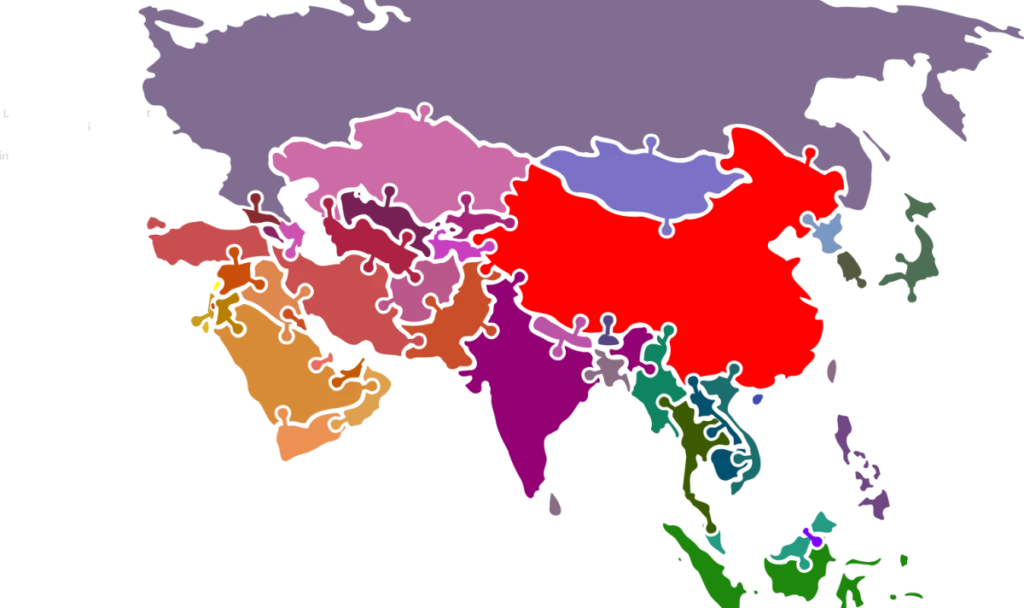
Asia’s Geopolitical Balancing Act August 13, 2024 As rising geopolitical tensions – notably China versus the US, and Russia versus the West – reshape global trade and investment flows, much of Asia is seeking a middle ground that enables continued growth.  The latest data shows this shift is benefiting Southeast Asia and India, which have become key destinations for companies offshoring production from China (alongside Mexico). This dynamic is also influencing the overseas expansion strategies of Korean, Taiwanese, and Japanese firms as they look to reduce supply chain risk by establishing new facilities in key markets or more cost-effective locations—India stands out on both fronts. Similarly, Chinese firms are also moving offshore to retain access to Western markets.  Deepen your understanding & explore the implications for business and strategy in our latest Asia Brief. Log In to access our latest reports. LOG IN Not yet a member?Contact us to learn more. You might also find these insights valuable Asia’s Geopolitical Balancing Act August 13, 2024/ Asia’s Geopolitical Balancing Act August 13, 2024 As rising geopolitical tensions – notably China versus the US, and Russia versus… Read More
Asia Pacific, China, Geopolitics, Strategy

Global Trade Dynamics: A New Era for MNC Strategy

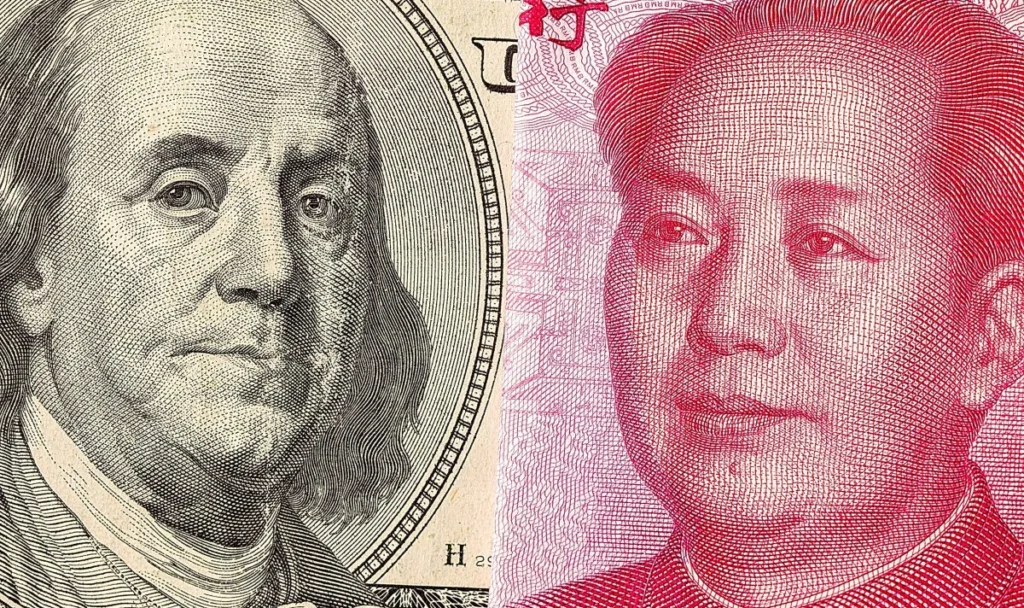
Global Trade Dynamics: A New Era for MNC Strategy May 21, 2025 ‘I predict 2024 will be the year of global China. Our headquarters will discover that Chinese competition is going global at a breakneck pace. The amount of Chinese investment in Monterrey (Mexico) is tremendous. But it’s also happening in Serbia, Egypt, and Morocco.’ ‘Because of geopolitical tensions, China will increase its presence in middle-income economies where it can leverage its cost advantage and continue to expand.’   ‘Overseas sales as a proportion of Chinese companies’ revenues are still relatively low even though they started going overseas 20 years ago. What’s different is that the Chinese market is growing slower at 4% to 5%, not 8% or more, so they must find new markets.’ ‘The board wants us to reduce exposure and buy at the lowest cost. Every quarter, the procurement team must justify our China exposure; if they can’t defend it, they must offer an alternative plan. Inflation is increasing costs outside of China, while supply chain transparency laws in Europe and the US increase the complexity of the procurement officer’s job.’ ‘We must closely monitor the proliferation of non-market barriers – tariffs and sanctions. In the last five years, the number of tariffs jumped from 650 to 3,000, courtesy of the United States. China has been restrained but has the infrastructure to catch up should it hit back.’ A global reconfiguration of trade is underway, with China pulling away from traditional trading partners and forging closer ties with mid-sized economies and strategic allies. This pivot towards regions like North Africa, Southeast Asia, Eastern Europe, and Mexico is catching the attention of business leaders in Asia Pacific. CEOs must strategically and proactively adapt to this shift, as the altered trade patterns from China present a blend of both challenges and possibilities for MNCs in the region. Deepen your understanding & explore the implications for corporate strategy.Log in for the full Forum Insight. Join your peers at upcoming Forum events. LOG IN Not yet a member?Contact us to learn more. You might also find these insights valuable Asean Asia Pacific China Geopolitics Japan Leadership Market Strategy Team-Building Global Trade Dynamics: A New Era for MNC Strategy May 21, 2025/No Comments Global Trade Dynamics: A New Era for MNC Strategy May 21, 2025 ‘I predict 2024 will be the year of… Read More Mastering the Boardroom: Unlocking Asia’s Market Potential May 20, 2025/No Comments Mastering the Boardroom: Unlocking Asia’s Market Potential May 20, 2025 Diverse challenges, from digitalization to regulation, are preoccupying boards of… Read More Hong Kong: Comeback or Decline? May 20, 2025/No Comments Hong Kong: Comeback or Decline? May 20, 2025 Hong Kong’s new National Security Law has raised fears that the city… Read More Load More End of Content.
Asia Pacific, Geopolitics, Leadership

Mastering the Boardroom: Unlocking Asia’s Market Potential

Mastering the Boardroom: Unlocking Asia’s Market Potential May 20, 2025 Diverse challenges, from digitalization to regulation, are preoccupying boards of directors. Asia is not getting the attention it did in the past.Geopolitics has also led to boards paying less attention to Asia, particularly China. Some US firms have even banned travel to China for top execs and board members. ‘I’m worried that our board’s knowledge of Asia is slipping. ‘ The Asia CEO’s role is critical to bridging the gap between HQ and the region. ‘As an American who’s worked both at headquarters and in Asia, it’s a constant battle balancing whatever our people in the US see on Fox News versus what it means to really do business here.’ Why it matters: A board’s lack of attention, lower awareness, and misperceived notions can lead to slower decision-making and resistance to further investments in the region. Outsiders can play a critical role in educating board members about what is happening in Asia. ‘We’re thinking of ways to rebuild Asia insights at the top of the company. This might include regular board briefings by specialist outsiders, either ad hoc or organized into an advisory board.’ But hiring an ‘Asia insider’ has its drawbacks. ‘In the last 20 years, boards would appoint an Asian insider, often with good connections to the local elite. Too often, the insiders were isolated from the rest of the board discussion.’ An advisor with hands-on experience running an MNC’s Asia operations may provide more relevant insights. ‘Today, it might be better to seek a top executive running Asia for a global MNC or one of the big regional firms. This can bring more insights into the rapid evolution of strategy and tactics, which is applicable to every market, not just Asia.’ Some firms have given up. They have found that greater autonomy for Asia helps address the knowledge gap. ‘We have tried to explain what goes on in Asia to headquarters and they have also tried to understand what happens. Now, both sides are giving up. They now say, “I’m okay if you go ahead with the way you want so long as you report back to me what has been done.”’ Deepen your understanding & explore the implications for business and strategy in our latest Asia Brief. Log In to access our latest reports. LOG IN Not yet a member?Contact us to learn more. You might also find these insights valuable Asean Asia Pacific China Geopolitics Japan Leadership Market Strategy Team-Building Mastering the Boardroom: Unlocking Asia’s Market Potential May 20, 2025/No CommentsRead More Hong Kong: Comeback or Decline? May 20, 2025/No Comments Hong Kong: Comeback or Decline? May 20, 2025 Hong Kong’s new National Security Law has raised fears that the city… Read More Bridging the Protectionist Gap in China August 22, 2024/ Bridging the Protectionist Gap in China August 22, 2024 Signs of rising protectionism amidst the country’s push for self-sufficiency are… Read More Load More End of Content.

Asia Pacific, China, Geopolitics, Strategy

Executive Insights on Geopolitical Risks in Asia

Executive Insights on Geopolitical Risks in Asia May 21, 2025 As the prospect of a potential “Trump 2” presidency looms, bringing with it uncertainty over global trade and geopolitics, the Asia CEO Forum has cast an invaluable light on the situation in Asia. Conversations with 30 regional CEOs last month highlighted a notable contrast in risk perceptions across the continent, with North Asia, because of China and North Korea, perceived as more volatile compared to the relatively stable political environments of Southeast Asia and India, where political risk was seen as acceptable. That also seems to be the working assumption at global HQ as new markets are sought to offset weaker China growth. These discussions offer a direct glimpse into the challenges and opportunities at the forefront of Asia’s business landscape, as reported by those leading companies and teams in the region. Deepen your understanding & explore the implications for business and strategy.Log in for our latest Asia Pacific Executive Brief and other Market Insights. LOG IN Not yet a member?Contact us to learn more. You might also find these insights valuable Asean Asia Pacific China Geopolitics Japan Leadership Market Strategy Team-Building Executive Insights on Geopolitical Risks in Asia May 21, 2025/No CommentsRead More Global Trade Dynamics: A New Era for MNC Strategy May 21, 2025/No Comments Global Trade Dynamics: A New Era for MNC Strategy May 21, 2025 ‘I predict 2024 will be the year of… Read More Mastering the Boardroom: Unlocking Asia’s Market Potential May 20, 2025/No Comments Mastering the Boardroom: Unlocking Asia’s Market Potential May 20, 2025 Diverse challenges, from digitalization to regulation, are preoccupying boards of… Read More Load More End of Content.

China, Geopolitics, Strategy

Understanding China’s Sanctions: A Strategic Imperative for Business Leaders

Understanding China’s Sanctions: A Strategic Imperative for Business Leaders August 10, 2023 ‘China is gearing up – not to intentionally drive an escalation of geopolitical tensions – but to respond commensurately to external actions imposed upon it.’ ‘China is currently building and stress testing a suite of policy tools to respond to foreign governments in a targeted, agile, and reciprocal fashion.’ ‘It’s important to formulate a nuanced approach and consider what foreign governments need to see you doing in China. That’s the trick and it certainly isn’t easy.’ China is sending a clear message through its use of sanctions: foreign companies are welcome but must comply with its terms. The aim is to modify corporate behaviour, and CEOs in China face the complex task of balancing local compliance with the expectations of HQ. These dual pressures demand an adept strategy that includes thoughtful messaging, both internally and externally. Key to the success of such strategy will be the ability to anticipate future sanctions and their enforcement, coupled with a leadership team that is both well-informed and responsive. Deepen your understanding & explore the implications for business and strategy in our latest Asia Brief. Log In to access our latest reports. LOG IN Not yet a member?Contact us to learn more. You might also find these insights valuable Asean Asia Pacific China Forecast Geopolitics Japan Leadership Market Strategy Team-Building China’s AI Evolution: Strategic Insights for Executives May 21, 2025/No Comments China’s AI Evolution: Strategic Insights for Executives May 21, 2025 ‘The requirements imposed on China’s AI products matter. They will… Read More Executive Insights on China’s Sales Outlook May 21, 2025/No Comments Executive Insights on China’s Sales Outlook May 21, 2025 Our quarterly China Survey compiles insights from our members to provide… Read More Indonesia’s Promise: CEOs are confident but cautious May 21, 2025/No Comments Indonesia’s Promise: CEOs are confident but cautious May 21, 2025 ‘So long as they maintain political stability and reasonably good… Read More Load More End of Content.

China, Geopolitics, Leadership, Strategy

Geopolitical Risk & the Impact on MNCs

Geopolitical Risk & the Impact on MNCs July 1, 2023 ‘The number one issue for our clients is geopolitical concerns – in a way that it never has been in the past. It’s been a concern for HQ, but those who run businesses in China and the rest of Asia got on with their operations and generally ignored geopolitics.’ ‘Can the US pause its criticism of China long enough to get a bilateral dialogue going? If a dialogue can get going, is it sustainable? Can it result in tangible benefits to companies, farmers, workers, and ranchers? It’s not clear. Strap yourselves in and put on your helmet for an exciting six months.’ ‘We know that an imported product won’t be treated the same as a domestically made product. But will a product made in China by a foreign company or JV be treated equally with one made by a private Chinese firm or an SOE? The jury’s out on that.’ ‘Could a competitor analysis, buying satellite imagery for business purposes, or conducting due diligence of SOEs be problematic? This is a slippery slope that we must watch to see what is being connected to the new [espionage] law.’ As geopolitical dynamics shift, companies are reevaluating their presence in China and looking toward markets like Vietnam, Indonesia, and the Philippines for expansion. However, these markets, while promising, do not match China in terms of scale and labour availability. Further, the impact of geopolitical tensions has not been uniform, with European teams reporting challenges in China that differ from those faced by those headquartered in the US. Deepen your understanding and explore the implications for business and strategy.Log in for the full Forum Insight. Join the peer-group discussion at upcoming Forum events. LOG IN Not yet a member?Contact us to learn more. You might also find these insights valuable Asean Asia Pacific China Forecast Geopolitics Japan Leadership Market Strategy Team-Building China’s AI Evolution: Strategic Insights for Executives May 21, 2025/No Comments China’s AI Evolution: Strategic Insights for Executives May 21, 2025 ‘The requirements imposed on China’s AI products matter. They will… Read More Executive Insights on China’s Sales Outlook May 21, 2025/No Comments Executive Insights on China’s Sales Outlook May 21, 2025 Our quarterly China Survey compiles insights from our members to provide… Read More Indonesia’s Promise: CEOs are confident but cautious May 21, 2025/No Comments Indonesia’s Promise: CEOs are confident but cautious May 21, 2025 ‘So long as they maintain political stability and reasonably good… Read More Load More End of Content.

China, Geopolitics, Strategy

US vs China in Tech: Ramifications for Business

US vs China in Tech: Ramifications for Business May 21, 2023 “President Biden is an internationalist and globalist to his core. He is pro-NATO. His team is working hard to align with allies to prevent China from moving in certain directions. It grates on China because they believe the US is galvanising the world to gang up on China.” “What does it mean to compete exactly? Are we both running a race and staying in our lane, or will we trip each other up? A lot depends on how this gets translated. ‘Compete’ can be translated as “jing zheng”, which implies aggressive competition to the death, or “jing sai”, a more friendly, rules-based engagement. The US has interpreted it as “jing zheng”, which sends an unintended message.” “Competition over technology is the most important area, and second to that is economic competition. Third is competition for military power and superiority. And lastly is the competition over values. Who has the ‘right’ value system is the most dangerous and ambiguous one.” “The idea behind the Big Fund was not to throw capital at big national projects, but rather to imitate Silicon Valley VCs in allocating capital effectively. The Big Fund was successful in terms of ROI, but the problem was that the government wanted big breakthroughs, which never came.” “European diplomatic friends report a China charm offensive. After a long absence, an EU Ambassador to China was finally appointed. The danger is if Beijing misreads the EU position. Polls show that Europeans have a negative view of China, and this puts pressure on European politicians to speak out.” Relations between China and the US are set to get more fractious in 2023. The US will further refine the CHIPS Act and slap more export bans on advanced US technologies in industries such as biotech. Moreover, the newly renamed House Select Committee on the CCP will hold numerous hearings on China, which will undoubtedly stir up negative press coverage. For its part, China is undeterred. The country will continue to seek self-sufficiency in sensitive technologies, and entrepreneurs will focus on the bigger ‘lagging’ edge chips critical for manufacturing everything from cars to electronics. Deepen your understanding & explore the implications for business and strategy in our latest Asia Brief. Log In to access our latest reports. LOG IN Not yet a member?Contact us to learn more. You might also find these insights valuable Asean Asia Pacific China Forecast Geopolitics Japan Leadership Market Strategy Team-Building China’s AI Evolution: Strategic Insights for Executives May 21, 2025/No Comments China’s AI Evolution: Strategic Insights for Executives May 21, 2025 ‘The requirements imposed on China’s AI products matter. They will… Read More Executive Insights on China’s Sales Outlook May 21, 2025/No Comments Executive Insights on China’s Sales Outlook May 21, 2025 Our quarterly China Survey compiles insights from our members to provide… Read More Indonesia’s Promise: CEOs are confident but cautious May 21, 2025/No Comments Indonesia’s Promise: CEOs are confident but cautious May 21, 2025 ‘So long as they maintain political stability and reasonably good… Read More Load More End of Content.

China, Geopolitics, Strategy

Consider Your Options: Entity Restructuring in China

Consider Your Options: Entity Restructuring in China May 1, 2023 ‘It will be a tough fight if money has to come from overseas. M&A is down. FDI is up but coming from a handful of German firms. If the BU or subsidiary has cash, they can finance development locally. Investment funds are also set up as separate entities for smaller investments. They function like private equity, which gives the China team more influence with local government.’ ‘Semiconductor firms are restructuring themselves to contain the damage. They are creating a China-based R&D ecosystem with multiple BUs in diverse locations. Over time, they will start to have China IP. They will be smaller than they would have liked, but they are still moving forward. Other industries will follow suit as time goes on.’ ‘After high-tech, life sciences got hit for reasons of cost containment, rather than geopolitics. After that, local firms in mobility, automotive, self-driving, and new energy were given preferential treatment . Next, it will be cutting-edge industrial machines, like laser cutters. Finally, agri-food is likely to become more sensitive. If you go through that list, it matches up neatly with the Made in China policy of 2015.’ ‘Entity structures are often viewed as boxes to move around on a whiteboard. But rearranging structures have knock-on effects on R&D, corporate governance, and manufacturing.’ ‘Chinese expats will teach the manufacturing team in the new locations how to create the product and set up the infrastructure. This means we will see more cultural, economic, and other exchanges between China and the rest of the world. A long-term process that could take decades will be good for the world.’ Amid heightened geopolitical tensions, the regulatory environment for foreign companies in China continues to evolve. Mitigating risks through strategic entity restructuring becomes both intricate and imperative for future-proofing the local business as companies balance risk with the pursuit of growth opportunities and prepare for all possible scenarios. Deepen your understanding & explore the implications for business and strategy in our latest Asia Brief. Log In to access our latest reports. LOG IN Not yet a member?Contact us to learn more. You might also find these insights valuable Asean Asia Pacific China Forecast Geopolitics Japan Leadership Market Strategy Team-Building China’s AI Evolution: Strategic Insights for Executives May 21, 2025/No Comments China’s AI Evolution: Strategic Insights for Executives May 21, 2025 ‘The requirements imposed on China’s AI products matter. They will… Read More Executive Insights on China’s Sales Outlook May 21, 2025/No Comments Executive Insights on China’s Sales Outlook May 21, 2025 Our quarterly China Survey compiles insights from our members to provide… Read More Indonesia’s Promise: CEOs are confident but cautious May 21, 2025/No Comments Indonesia’s Promise: CEOs are confident but cautious May 21, 2025 ‘So long as they maintain political stability and reasonably good… Read More Load More End of Content.

Geopolitics, Market, Strategy

Malaysia’s Political Outlook

Malaysia’s Political Outlook April 25, 2023 Following the completion of Anwar government’s first 100 days in office, we invited James Chin, Professor of Asian Studies at the University of Tasmania and an authority on government affairs in Southeast Asia, to share his views on the stability of the government and Malaysia’s political outlook. This Insight summarises key takeaways from the discussion with Asia Management Forum and Asia Management Forum Global members, along with further analysis and commentary from our Research team. Key takeaways + Anwar’s government has had a good start. But weak support from Malay voters could lead to Anwar’s fall unless his Pakatan Harapan (PH) coalition gains stronger Malay support in six state elections by July-August this year.+ If Anwar fails to win over the Malay voters, then the opposition Perikatan Nasional (PN) coalition is likely to win the next general election, with a prominent place for the strict Islamist party PAS. That would not bode well for non-halal industries (movie theatres, alcoholic beverages, etc). The labour market would also suffer, as PAS is opposed to foreign workers and women working in factories.+ Until a stable government is in place, the economic outlook will continue to be hurt by political uncertainties. We expect consumer spending and capex growth to stay sub-par over the medium-term, which will pull down overall GDP growth to 2.7% in 2023 and an average 4.2% over 2024-26. That compares with 5.8%pa for the decade to 2019. Malaysia’s ethnic politics & election math Malaysia’s political complexity comes down to two points: 1. Malays were 51% of the population in 2015 (ranging from 40- 90% in states on the peninsula) with any stable government needing the support of a majority of Malays, and 2. All Malays are Muslim, and conservative Islam is a rising force within the Malay community, which roughly divides at present into a rural and conservative group and an urban and progressive group. The rest of the Malaysian community is made up of indigenous people in the east Malaysian states of Sabah and Sarawak (12% and collectively grouped with Malays as “Bumiputra”, which means son of the land), Chinese (21%, a steadily falling percentage), Indians (6%), and non-citizens who are mostly migrant workers (10%). For three decades to 2018, political stability was delivered by the Barisan Nasional (BN), a broad coalition that included the main parties for the main ethnic groups. The United Malays National Organization (UMNO) led BN, and collected most of the Malay votes, with the help of extensive payments to key Malay voting groups (such as rubber growers) via the government budget and informal funds flowing through UMNO. In the 2018 election, voters threw BN out of office after UMNO’s informal funds flow became a spectacular river of corruption – including 1MDB – under PM Najib Razak. Coalitions and parties fragmented in the 2018 election with the turmoil continuing as three Prime Ministers (Mahathir, Muhyiddin, and Ismail) each briefly attempted and failed to form stable governments. The 2022 election brought a major realignment. UMNO crashed to 26 seats from 54 in 2018 and 88 in 2013. The BN coalition it leads fell to 30 seats from 79 in 2018 and 133 in 2013. Part of BN’s fall was due to a split in UMNO, with Bersatu (Malaysian United Indigenous Party) created in 2017 and taking 13 seats in 2018 and 31 seats in 2022. Meanwhile, the Islamic-based PAS surged to 43 seats (making it the largest single party in parliament) from 18 in 2018 and 21 in 2013. Given the dramatic realignment in parties in 2022, Anwar did well in forming a coalition of 148 out of a total 222 seats (66.7%) to win a confidence vote in December 2022 with support from his own PH coalition (82 seats), UMNO and the remnant of the BN coalition (30 seats), GPS (a coalition from Sarawak, 23 seats), GRS (a coalition from Sabah, 6 seats), and seven others. Anwar’s PH coalition draws its support from five parties mostly representing urban middle-class Malays, Chinese, and Indians. The Sabah and Sarawak supporters in GPS and GRS while technically “bumiputra” are not Malays. UMNO and the remnant BN do represent Malays but are just 30 seats. Add to that the Malay party inside the Anwar’s PH coalition (People’s Justice Party, 31 seats) and you get to 61 seats representing the Malay community in Anwar’s government. Bersatu and PAS in the PN coalition are the opposition with 74 all Malay seats. So, PM Anwar leads a reformist, multi-ethnic government, which despite holding two-thirds of the seats in parliament does not represent the majority of Malays. Anwar’s government is not secure In his first 100 days, Anwar has scored an approval rating of 68% (reflecting his popularity among the non-Malay communities, as well as progressive Malays), survived a confidence vote in parliament with a two-thirds majority, and tabled a well-received 2023 budget as the finance minister. He continues to enjoy strong support from UMNO, as well as the current King. But the true test for his government lies ahead. The upcoming elections in the six states of Selangor, Penang, Negri Sembilan, Kelantan, Terengganu, and Kedah will be crucial in determining Anwar’s legitimacy in terms of having Malay support. The last three states are the Malay heartland states and are currently governed by the Islamic opposition party PAS. PAS also controls Perlis but it has no election this year. The four states – sometimes called the PAS belt – are rural, poor, 90%+ Malay, and a PAS stronghold thanks to decades of building Islamic schools. Several have also adopted stricter application of sharia law than other Malaysian states. PAS should easily hold them in the 2022 state elections although PM Anwar hopes to woo their voters with cash transfers in the budget paid to the bottom 20% of the national population. The bigger issue is whether PAS and Bersatu can make inroads into the wealthier, urban states of Selangor, Penang, and Negri Sembilan. Bersatu may be held

China, Geopolitics, Strategy

Aligning Ambitions: How to Adapt to China’s Ideological Resurgence

Aligning Ambitions: How to Adapt to China’s Ideological Resurgence March 10, 2023 ‘It’s important to know how your business fits into China’s ideology and strategy. Executives need to be able to describe how their business aligns with China’s goals.’ ‘If you are a company that needs China, then you need to know who your friends are. What companies depend on you? Who will go to bat for you if you become targeted? Once you know the answers, you need to put together a plan.’ ‘One of the great myths about China is that the government is monolithic and moves as one. Local governments can effectively protect companies that they like and deflect Beijing’s pressure. A firm, which is not part of Beijing’s big plan, still may be a vital contributor to the local economy.’ ‘Create opportunities for the CEO, managing director and others to get involved with the local government. Even small companies cannot afford to ignore this step. At the beginning, it might be advantageous to hire a consultancy to help make introductions.’ ‘If you start to get visits and see problems occurring, then leveraging relationships at more powerful levels within the supply chain can help. You may want to go to the OEM and see what they can do for you. A better partner might be a Chinese SOE client and your local industrial park contacts.’ In many markets, firms must meet environmental, social, and governance objectives to be considered successful. Meanwhile, in China, ideologically driven policies are experiencing a revival, and GDP targets are no longer the primary focus. Businesses that find common ground with China’s objectives and utilise preferred terminology will gain a competitive edge. Deepen your understanding & explore the implications for business and strategy in our latest Asia Brief. Log In to access our latest reports. LOG IN Not yet a member?Contact us to learn more. You might also find these insights valuable Asean Asia Pacific China Forecast Geopolitics Japan Leadership Market Strategy Team-Building China’s AI Evolution: Strategic Insights for Executives May 21, 2025/No Comments China’s AI Evolution: Strategic Insights for Executives May 21, 2025 ‘The requirements imposed on China’s AI products matter. They will… Read More Executive Insights on China’s Sales Outlook May 21, 2025/No Comments Executive Insights on China’s Sales Outlook May 21, 2025 Our quarterly China Survey compiles insights from our members to provide… Read More Indonesia’s Promise: CEOs are confident but cautious May 21, 2025/No Comments Indonesia’s Promise: CEOs are confident but cautious May 21, 2025 ‘So long as they maintain political stability and reasonably good… Read More Load More End of Content.

China, Geopolitics, Strategy

US-China Ties & the Role of Business Leaders

US-China Ties & the Role of Business Leaders March 5, 2023 “Deng Xiaoping’s attitude was let’s put heavy problems aside and cooperate where we can. Now, it’s the US saying it. In the US, there’s genuine support working together on global issues like climate change, law enforcement, health, vaccines, etc.” “China’s view of the world connects it to Russia, and now Putin is a pariah. China says it wants an end to the war and pushes for negotiation, but Russian and Chinese leaders view the world as hostile – they want to make it safe for their form of government.” “On the one hand, businesses want to know if they have a visitor visa or a resident permit. Will they only be in China long enough to be replaced or stay for the long term? Some of China’s self-reliance talk is more aspiration than reality. But, on the other hand, many in the party realise they need foreign businesses to be connected to the world.” “There are different worldviews. Headquarters sees a lot more risk, whereas people in China see the opportunity. It’s important to remember that many views are legitimate. ‘People in China grew up with different information than those in the West. It will colour how they look at Hong Kong, Xinjiang or Taiwan. ‘When an American raises human rights, the Chinese person will bristle and counter with a question about the number of gun deaths in America.” “Many divides are due to a lack of communication. I advise CEOs and executives to get off group calls and have one-on-one conversations. Take the time to understand each other’s viewpoints – but then align on the long-term plan for the business without getting bogged down in disputes.” China CEO Forum and China CFO Forum members recently met to discuss the vital role that business plays in moving the US-China relationship forward in a way that diplomats and politicians have been unable to do. Indeed business is an increasingly important bridge as interactions in other sectors diminish. Executives must adapt to regulatory changes, avoid politicised discourse, and focus on pragmatic business contributions to China. Effective internal and external communication, along with aligning business objectives with government goals, will be key to success. Deepen your understanding & explore the implications for business and strategy in our latest Asia Brief. Log In to access our latest reports. LOG IN Not yet a member?Contact us to learn more. You might also find these insights valuable Asean Asia Pacific China Forecast Geopolitics Japan Leadership Market Strategy Team-Building China’s AI Evolution: Strategic Insights for Executives May 21, 2025/No Comments China’s AI Evolution: Strategic Insights for Executives May 21, 2025 ‘The requirements imposed on China’s AI products matter. They will… Read More Executive Insights on China’s Sales Outlook May 21, 2025/No Comments Executive Insights on China’s Sales Outlook May 21, 2025 Our quarterly China Survey compiles insights from our members to provide… Read More Indonesia’s Promise: CEOs are confident but cautious May 21, 2025/No Comments Indonesia’s Promise: CEOs are confident but cautious May 21, 2025 ‘So long as they maintain political stability and reasonably good… Read More Load More End of Content.

Asia Pacific, China, Geopolitics, Strategy

Adapting to Biden’s US-Asia Pacific Policy

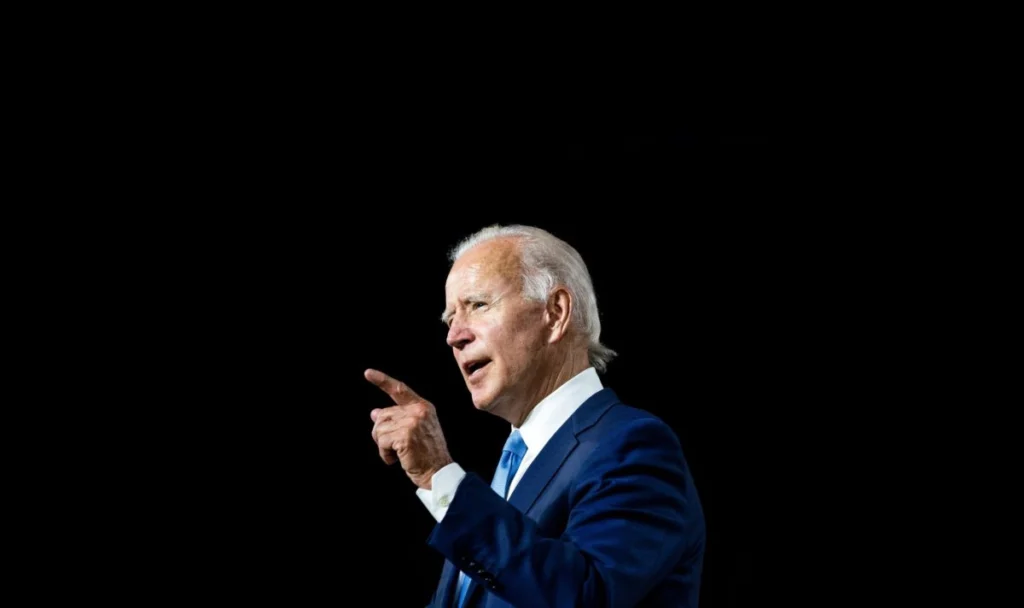
Adapting to Biden’s US-Asia Pacific Policy January 5, 2022 ‘Biden understands the national mood and consensus that China represents a threat to the US rather than an opportunity – and that constrains his flexibility on what he can do.’ ‘The Biden team is better at ‘quiet diplomacy’ because there are more long-term players. They’re not necessarily smarter but are more experienced.’ ‘What is being done is an attempt to turn China into a focal point of foreign policy, particularly for the Asian region – but not make it a focal point for activity. Japan policy, Korea policy, SE Asia policy all come from China policy. But they will not lead to intense direct engagement with China.’ While upholding Trump-era tariffs and sanctions, the Biden administration has made a nuanced shift towards ‘competitive co-existence’; a move away from outright antagonism. While this recalibration may take a backseat to pressing domestic issues, there is a strong undercurrent to achieve supply chain independence from China, which will reshape global trade dynamics. The technological rivalry, particularly in semiconductors and AI, is at the forefront of this strategic game. Re-engagement with ASEAN and a potential free trade deal with Taiwan add layers to the complexity. In this evolving geopolitical landscape, Biden’s preference for ‘quiet diplomacy’ and alliance-building is more than a policy choice; it’s a strategic imperative for the US to maintain its influence in Asia Pacific. Dive deeper.Explore the implications for business and strategy. Log in for the full Forum Insight. Join the peer-group discussion at upcoming Forum events. LOG IN Not yet a member?Contact us to learn more. You might also find these insights valuable Asean Asia Pacific China Exchange Rates Forecast Geopolitics Japan Leadership Market Strategy Team-Building China’s AI Evolution: Strategic Insights for Executives May 21, 2025/No Comments China’s AI Evolution: Strategic Insights for Executives May 21, 2025 ‘The requirements imposed on China’s AI products matter. They will… Read More Executive Insights on China’s Sales Outlook May 21, 2025/No Comments Executive Insights on China’s Sales Outlook May 21, 2025 Our quarterly China Survey compiles insights from our members to provide… Read More Indonesia’s Promise: CEOs are confident but cautious May 21, 2025/No Comments Indonesia’s Promise: CEOs are confident but cautious May 21, 2025 ‘So long as they maintain political stability and reasonably good… Read More Load More End of Content.

Scroll to Top