
IMA ASIA

Author name: @dev

China, Market, Strategy

Reassessing Production in Asia

Reassessing Production in Asia February 18, 2022 ‘In the past, selecting a manufacturing location was simple for most companies. Essentially, the key was to get the lowest landed cost. With the pandemic and geopolitics, now there are three dynamics: the lowest cost is still important, but now it is accompanied by supply chain resilience and sustainability.’ ‘Vietnam has been successful for us because early on the government understood the industry. They built the infrastructure and helped to attract some of the supporting industry that we need. In contrast, Indonesia targeted employment for unskilled workers, but didn’t think about anything else.’ ‘China will remain a major manufacturing hub for at least the next three to five years. There’s just no substitute. Because of the trade war and COVID, some companies took some supply chain out of China. China doubled down. The provincial governments in China offer generous incentives to keep you there. When they double down, the economics of it changes; it makes it hard to pull out.’ “India has the ingredients for a fantastic export business. They try to dangle the carrot, “If you make it here, you can sell it in the domestic markets.” But the domestic markets are incredibly complicated. The market is small for premium products in our industry and there are many challenging barriers.’ ‘We’re redesigning our products to have fewer features and to simplify things. Over time, we see that consumers will buy outcomes on a subscription basis, rather than a one-time purchase of hardware. We’re able to customize the outcome better for customers when they have an ongoing subscription. ‘It’s a greener way to sell as well. There’s no trucking in between, no distributor, and you don’t need to pick it up. So, you cut out many loops.’ US-China trade disputes and the pandemic have prompted companies to reassess their manufacturing, and while cost remains a critical factor, the resilience of supply chains and adherence to local ESG regulations are increasingly key. The shift reflects a broader, more balanced approach to evaluating manufacturing locales, underscoring the need for agility and sustainability in the current business landscape. Deepen your understanding & explore the implications for business and strategy in our latest Asia Brief. Log In to access our latest reports. LOG IN Not yet a member?Contact us to learn more. You might also find these insights valuable Asean Asia Pacific China Exchange Rates Forecast Geopolitics Japan Leadership Market Strategy Team-Building China’s AI Evolution: Strategic Insights for Executives May 21, 2025/No Comments China’s AI Evolution: Strategic Insights for Executives May 21, 2025 ‘The requirements imposed on China’s AI products matter. They will… Read More Executive Insights on China’s Sales Outlook May 21, 2025/No Comments Executive Insights on China’s Sales Outlook May 21, 2025 Our quarterly China Survey compiles insights from our members to provide… Read More Indonesia’s Promise: CEOs are confident but cautious May 21, 2025/No Comments Indonesia’s Promise: CEOs are confident but cautious May 21, 2025 ‘So long as they maintain political stability and reasonably good… Read More Load More End of Content.

China, Market, Strategy

China’s Logistical Upgrade: Implications for MNCs

China’s Logistical Upgrade: Implications for MNCs February 10, 2022 ‘I estimate shipping freight costs will remain as they are for several months. About half the ocean freight is locked into one-year contracts. Prices may start to normalise in the second half of this year. The US$20,000 per container price will likely decrease to US$4,000 to US$5,000. But I predict it will take a while before we get to US$2,000 again.’ ‘I don’t think China’s air freight rates will return to pre-Covid levels in the next few years. As China moves to high value-added products, exports will be increasingly time-sensitive and demand for air freight will rise. Both air and ocean rates skyrocketed during the pandemic. Ocean rates are 10 times higher, while air freight is only three times higher. Both will get lower, but not to pre-Covid levels.’ ‘I don’t see supply chain costs going down in the foreseeable future. The issue is not just the high cost of air and sea freight; the bigger issue is a significant lack of drivers to move boxes in the US and Europe. And it’s coming to China; I can’t hire drivers. People don’t want to be truck drivers anymore. The situation will worsen as China moves toward middle to upper-class society. And the technology to replace drivers is probably 20 years away.’ ‘In the 14th Five Year Plan, the word logistics was mentioned 20 times and transportation 22 times, demonstrating its clear importance.’ As China’s logistics sector transforms, firms are grappling with enduring high costs, particularly in shipping and air freight. Consolidation in the shipping industry has further complicated the situation. A significant shift is not expected until later in the year, with freight costs projected to stabilise at higher than pre-pandemic levels. This trend is mirrored in air freight, where demand for time-sensitive, high value-added products is keeping costs up. However, the next decade offers a more optimistic outlook. Firms have shown a newly-found interest in shoring up their resilience by creating regional supply chains, sourcing inputs close to production, and moving factories closer to consumers. For senior executives, understanding these dynamics is crucial as they not only impact local costs but also inform broader strategic decisions in Asia Pacific. Dive deeper.Explore the implications for business and strategy. Log in for the full Forum Insight. Join the peer-group discussion at upcoming Forum events. LOG IN Not yet a member?Contact us to learn more. You might also find these insights valuable Asean Asia Pacific China Exchange Rates Forecast Geopolitics Japan Leadership Market Strategy Team-Building China’s AI Evolution: Strategic Insights for Executives May 21, 2025/No Comments China’s AI Evolution: Strategic Insights for Executives May 21, 2025 ‘The requirements imposed on China’s AI products matter. They will… Read More Executive Insights on China’s Sales Outlook May 21, 2025/No Comments Executive Insights on China’s Sales Outlook May 21, 2025 Our quarterly China Survey compiles insights from our members to provide… Read More Indonesia’s Promise: CEOs are confident but cautious May 21, 2025/No Comments Indonesia’s Promise: CEOs are confident but cautious May 21, 2025 ‘So long as they maintain political stability and reasonably good… Read More Load More End of Content.

Asia Pacific, China, Geopolitics, Strategy

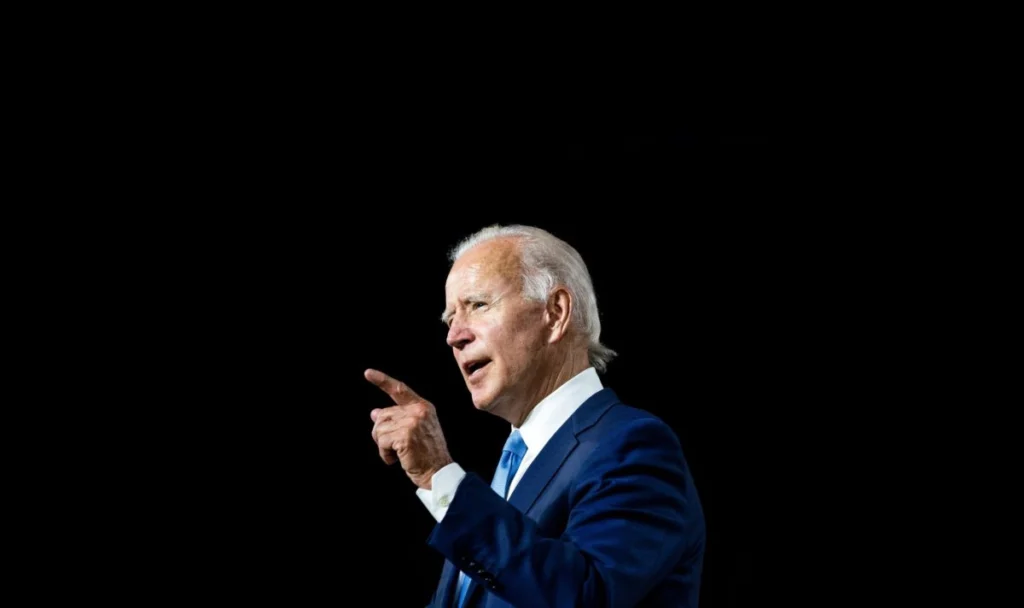
Adapting to Biden’s US-Asia Pacific Policy

Adapting to Biden’s US-Asia Pacific Policy January 5, 2022 ‘Biden understands the national mood and consensus that China represents a threat to the US rather than an opportunity – and that constrains his flexibility on what he can do.’ ‘The Biden team is better at ‘quiet diplomacy’ because there are more long-term players. They’re not necessarily smarter but are more experienced.’ ‘What is being done is an attempt to turn China into a focal point of foreign policy, particularly for the Asian region – but not make it a focal point for activity. Japan policy, Korea policy, SE Asia policy all come from China policy. But they will not lead to intense direct engagement with China.’ While upholding Trump-era tariffs and sanctions, the Biden administration has made a nuanced shift towards ‘competitive co-existence’; a move away from outright antagonism. While this recalibration may take a backseat to pressing domestic issues, there is a strong undercurrent to achieve supply chain independence from China, which will reshape global trade dynamics. The technological rivalry, particularly in semiconductors and AI, is at the forefront of this strategic game. Re-engagement with ASEAN and a potential free trade deal with Taiwan add layers to the complexity. In this evolving geopolitical landscape, Biden’s preference for ‘quiet diplomacy’ and alliance-building is more than a policy choice; it’s a strategic imperative for the US to maintain its influence in Asia Pacific. Dive deeper.Explore the implications for business and strategy. Log in for the full Forum Insight. Join the peer-group discussion at upcoming Forum events. LOG IN Not yet a member?Contact us to learn more. You might also find these insights valuable Asean Asia Pacific China Exchange Rates Forecast Geopolitics Japan Leadership Market Strategy Team-Building China’s AI Evolution: Strategic Insights for Executives May 21, 2025/No Comments China’s AI Evolution: Strategic Insights for Executives May 21, 2025 ‘The requirements imposed on China’s AI products matter. They will… Read More Executive Insights on China’s Sales Outlook May 21, 2025/No Comments Executive Insights on China’s Sales Outlook May 21, 2025 Our quarterly China Survey compiles insights from our members to provide… Read More Indonesia’s Promise: CEOs are confident but cautious May 21, 2025/No Comments Indonesia’s Promise: CEOs are confident but cautious May 21, 2025 ‘So long as they maintain political stability and reasonably good… Read More Load More End of Content.

Scroll to Top