
IMA ASIA

China

China, Market, Strategy

Reigniting HQ’s Interest: The Case for China

Reigniting HQ’s Interest: The Case for China April 16, 2023 “Say China grows at 2% per annum during the next decade, its economy will increase by $3.5 trillion – that’s the same amount as India’s entire economy today. If China grows at 5%, it will add $9.8 trillion to its GDP or the equivalent of India, Japan and Indonesia combined.” “Chinese firms are increasingly competitive and are thinking about scaling globally. MNCs can’t afford not to compete in China because eventually they will face Chinese competitors globally.” “Manufacturers like Foxconn are investing in manufacturing in India and Vietnam to diversify their sources of supply. But those countries lack China’s scale or mature manufacturing processes That is why you have companies like BASF spending $10 billion in Zhanjiang.” “Firms are at a tipping point. They must decide how important China is to their business globally. Automotive and luxury goods firms can only win globally if they are in China, but pharma companies, for example, may see things differently.” Many of our members will host HQ visitors in the coming months who may express scepticism about China and want to slow down. While caution is understandable, it can be misguided. Achieving success in today’s China requires a sophisticated strategy that embraces risk by evolving with the market. China still offers one of the best opportunities of the decade. Of course, there are risks too, but they can be managed. China CEO Forum members met in February to share ideas on the opportunities and how to effectively communicate them to HQ. Deepen your understanding & explore the implications for business and strategy in our latest Asia Brief. Log In to access our latest reports. LOG IN Not yet a member?Contact us to learn more. You might also find these insights valuable Asean Asia Pacific China Forecast Geopolitics Japan Leadership Market Strategy Team-Building China’s AI Evolution: Strategic Insights for Executives May 21, 2025/No Comments China’s AI Evolution: Strategic Insights for Executives May 21, 2025 ‘The requirements imposed on China’s AI products matter. They will… Read More Executive Insights on China’s Sales Outlook May 21, 2025/No Comments Executive Insights on China’s Sales Outlook May 21, 2025 Our quarterly China Survey compiles insights from our members to provide… Read More Indonesia’s Promise: CEOs are confident but cautious May 21, 2025/No Comments Indonesia’s Promise: CEOs are confident but cautious May 21, 2025 ‘So long as they maintain political stability and reasonably good… Read More Load More End of Content.


China, Market, Strategy

The ‘New’ Old Opportunity

The ‘New’ Old Opportunity March 16, 2023 “We hunt for pain points and move aggressively to address them. Healthcare offers a lot of opportunity. When you look at the over-60 population, there is sizable elder care play. Also we are looking at replacing old appliances and renovations adapted for older people.” “Our firm has forecast high double-digit growth for the next three years. The China 2030 Healthcare agenda is on-track. Many initiatives are very digitally advanced and data driven, including in community care.” “Adult vaccines are a key opportunity. It takes a lot of time to develop the sales channels, but the shift can be dramatic. In a single quarter, we went from selling 30k doses to 100k. The tipping point was a welcome surprise.” As China’s population ages, market opportunities are emerging outside traditional healthcare. These include elder-care services, home renovations, and the replacement of aging appliances, all tailored to the over-40 demographic. This group, poised to make up 60% of the population by 2035, presents a rapidly-expanding market segment with specific consumption patterns, including a notable rise in healthcare spending. Winning companies will recognise these evolving demands and leverage their expertise in mature markets to introduce innovative, age-appropriate solutions for Chinese consumers. Dive deeper.Explore the implications for business and strategy. Log in for the full Forum Insight. Join the peer-group discussion at upcoming Forum events. LOG IN Not yet a member?Contact us to learn more. You might also find these insights valuable Asean Asia Pacific China Forecast Geopolitics Japan Leadership Market Strategy Team-Building China’s AI Evolution: Strategic Insights for Executives May 21, 2025/No Comments China’s AI Evolution: Strategic Insights for Executives May 21, 2025 ‘The requirements imposed on China’s AI products matter. They will… Read More Executive Insights on China’s Sales Outlook May 21, 2025/No Comments Executive Insights on China’s Sales Outlook May 21, 2025 Our quarterly China Survey compiles insights from our members to provide… Read More Indonesia’s Promise: CEOs are confident but cautious May 21, 2025/No Comments Indonesia’s Promise: CEOs are confident but cautious May 21, 2025 ‘So long as they maintain political stability and reasonably good… Read More Load More End of Content.
China, Geopolitics, Strategy

Aligning Ambitions: How to Adapt to China’s Ideological Resurgence

Aligning Ambitions: How to Adapt to China’s Ideological Resurgence March 10, 2023 ‘It’s important to know how your business fits into China’s ideology and strategy. Executives need to be able to describe how their business aligns with China’s goals.’ ‘If you are a company that needs China, then you need to know who your friends are. What companies depend on you? Who will go to bat for you if you become targeted? Once you know the answers, you need to put together a plan.’ ‘One of the great myths about China is that the government is monolithic and moves as one. Local governments can effectively protect companies that they like and deflect Beijing’s pressure. A firm, which is not part of Beijing’s big plan, still may be a vital contributor to the local economy.’ ‘Create opportunities for the CEO, managing director and others to get involved with the local government. Even small companies cannot afford to ignore this step. At the beginning, it might be advantageous to hire a consultancy to help make introductions.’ ‘If you start to get visits and see problems occurring, then leveraging relationships at more powerful levels within the supply chain can help. You may want to go to the OEM and see what they can do for you. A better partner might be a Chinese SOE client and your local industrial park contacts.’ In many markets, firms must meet environmental, social, and governance objectives to be considered successful. Meanwhile, in China, ideologically driven policies are experiencing a revival, and GDP targets are no longer the primary focus. Businesses that find common ground with China’s objectives and utilise preferred terminology will gain a competitive edge. Deepen your understanding & explore the implications for business and strategy in our latest Asia Brief. Log In to access our latest reports. LOG IN Not yet a member?Contact us to learn more. You might also find these insights valuable Asean Asia Pacific China Forecast Geopolitics Japan Leadership Market Strategy Team-Building China’s AI Evolution: Strategic Insights for Executives May 21, 2025/No Comments China’s AI Evolution: Strategic Insights for Executives May 21, 2025 ‘The requirements imposed on China’s AI products matter. They will… Read More Executive Insights on China’s Sales Outlook May 21, 2025/No Comments Executive Insights on China’s Sales Outlook May 21, 2025 Our quarterly China Survey compiles insights from our members to provide… Read More Indonesia’s Promise: CEOs are confident but cautious May 21, 2025/No Comments Indonesia’s Promise: CEOs are confident but cautious May 21, 2025 ‘So long as they maintain political stability and reasonably good… Read More Load More End of Content.

China, Geopolitics, Strategy

US-China Ties & the Role of Business Leaders

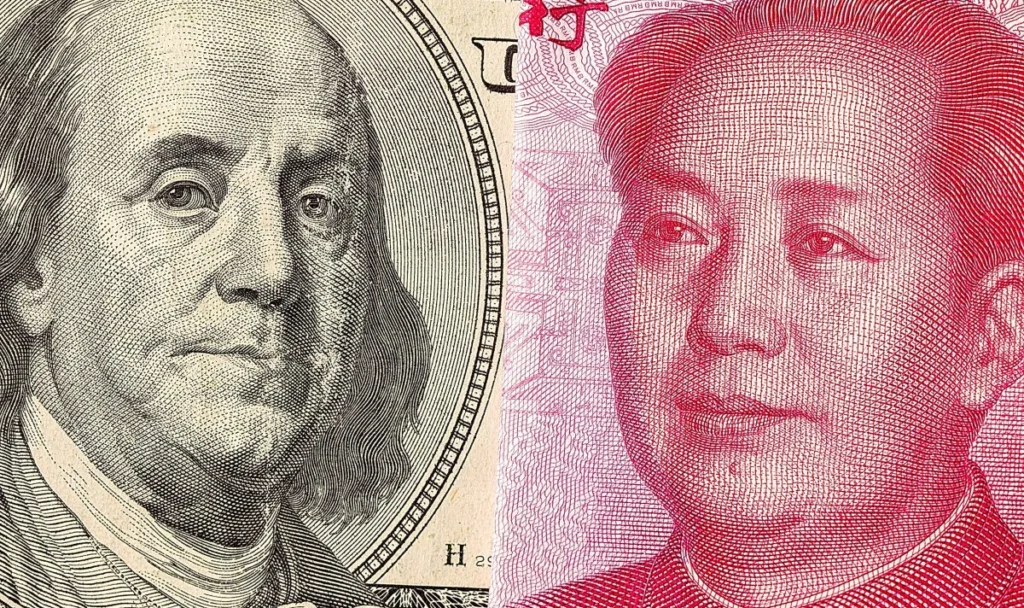
US-China Ties & the Role of Business Leaders March 5, 2023 “Deng Xiaoping’s attitude was let’s put heavy problems aside and cooperate where we can. Now, it’s the US saying it. In the US, there’s genuine support working together on global issues like climate change, law enforcement, health, vaccines, etc.” “China’s view of the world connects it to Russia, and now Putin is a pariah. China says it wants an end to the war and pushes for negotiation, but Russian and Chinese leaders view the world as hostile – they want to make it safe for their form of government.” “On the one hand, businesses want to know if they have a visitor visa or a resident permit. Will they only be in China long enough to be replaced or stay for the long term? Some of China’s self-reliance talk is more aspiration than reality. But, on the other hand, many in the party realise they need foreign businesses to be connected to the world.” “There are different worldviews. Headquarters sees a lot more risk, whereas people in China see the opportunity. It’s important to remember that many views are legitimate. ‘People in China grew up with different information than those in the West. It will colour how they look at Hong Kong, Xinjiang or Taiwan. ‘When an American raises human rights, the Chinese person will bristle and counter with a question about the number of gun deaths in America.” “Many divides are due to a lack of communication. I advise CEOs and executives to get off group calls and have one-on-one conversations. Take the time to understand each other’s viewpoints – but then align on the long-term plan for the business without getting bogged down in disputes.” China CEO Forum and China CFO Forum members recently met to discuss the vital role that business plays in moving the US-China relationship forward in a way that diplomats and politicians have been unable to do. Indeed business is an increasingly important bridge as interactions in other sectors diminish. Executives must adapt to regulatory changes, avoid politicised discourse, and focus on pragmatic business contributions to China. Effective internal and external communication, along with aligning business objectives with government goals, will be key to success. Deepen your understanding & explore the implications for business and strategy in our latest Asia Brief. Log In to access our latest reports. LOG IN Not yet a member?Contact us to learn more. You might also find these insights valuable Asean Asia Pacific China Forecast Geopolitics Japan Leadership Market Strategy Team-Building China’s AI Evolution: Strategic Insights for Executives May 21, 2025/No Comments China’s AI Evolution: Strategic Insights for Executives May 21, 2025 ‘The requirements imposed on China’s AI products matter. They will… Read More Executive Insights on China’s Sales Outlook May 21, 2025/No Comments Executive Insights on China’s Sales Outlook May 21, 2025 Our quarterly China Survey compiles insights from our members to provide… Read More Indonesia’s Promise: CEOs are confident but cautious May 21, 2025/No Comments Indonesia’s Promise: CEOs are confident but cautious May 21, 2025 ‘So long as they maintain political stability and reasonably good… Read More Load More End of Content.

China, Exchange Rates, Strategy

China’s Digital Ambition & the E-Yuan

China’s Digital Ambition & the E-Yuan March 9, 2022 ‘Company-wise, I only see benefits to the e-yuan. It could make the system more transparent and make taxation, invoicing, compliance, and legal issues easier. In addition, transaction costs should go down, which will save human resources.’ ‘Large transactions are under the supervision of the central bank because they reflect the health of the financial system. The PBOC wants to reduce fraud, money laundering and corruption. But the central bank does not care about small transactions. They aren’t in the business of trying to track every purchase of lipstick or bubble tea.’ ‘Going digital produces huge cost savings. We have already seen the results with mobile payments, which have grown dramatically. Digital RMB can also replace the need to maintain, transfer, secure, and detect forfeit physical bills.’ ‘The PBOC and the DCRI are doing extensive trials and testing to assess the security and reliability of the network. Faked e-yuan and frauds have already begun popping up.’ MNCs, already familiar with electronic transactions, may not see immediate impacts from China’s digital yuan due to their minimal use of physical cash. However, the e-yuan could offer broader systemic benefits, enhancing transparency and efficiency in taxation, invoicing, and compliance, while reducing transaction costs. The e-yuan represents a pivotal shift in China’s monetary policy that is not merely a new payment method but a strategic move to modernise the economy, enhance transactional transparency, and strengthen regulatory oversight. This shift towards a digital currency is not just about internal efficiencies; it’s about positioning China at the forefront of global financial innovation, with implications for international trade and investment strategies. Dive deeper.Explore the implications for business and strategy. Log in for the full Forum Insight. Join the peer-group discussion at upcoming Forum events. LOG IN Not yet a member?Contact us to learn more. You might also find these insights valuable Asean Asia Pacific China Exchange Rates Forecast Geopolitics Japan Leadership Market Strategy Team-Building China’s AI Evolution: Strategic Insights for Executives May 21, 2025/No Comments China’s AI Evolution: Strategic Insights for Executives May 21, 2025 ‘The requirements imposed on China’s AI products matter. They will… Read More Executive Insights on China’s Sales Outlook May 21, 2025/No Comments Executive Insights on China’s Sales Outlook May 21, 2025 Our quarterly China Survey compiles insights from our members to provide… Read More Indonesia’s Promise: CEOs are confident but cautious May 21, 2025/No Comments Indonesia’s Promise: CEOs are confident but cautious May 21, 2025 ‘So long as they maintain political stability and reasonably good… Read More Load More End of Content.

China, Market, Strategy

Reassessing Production in Asia

Reassessing Production in Asia February 18, 2022 ‘In the past, selecting a manufacturing location was simple for most companies. Essentially, the key was to get the lowest landed cost. With the pandemic and geopolitics, now there are three dynamics: the lowest cost is still important, but now it is accompanied by supply chain resilience and sustainability.’ ‘Vietnam has been successful for us because early on the government understood the industry. They built the infrastructure and helped to attract some of the supporting industry that we need. In contrast, Indonesia targeted employment for unskilled workers, but didn’t think about anything else.’ ‘China will remain a major manufacturing hub for at least the next three to five years. There’s just no substitute. Because of the trade war and COVID, some companies took some supply chain out of China. China doubled down. The provincial governments in China offer generous incentives to keep you there. When they double down, the economics of it changes; it makes it hard to pull out.’ “India has the ingredients for a fantastic export business. They try to dangle the carrot, “If you make it here, you can sell it in the domestic markets.” But the domestic markets are incredibly complicated. The market is small for premium products in our industry and there are many challenging barriers.’ ‘We’re redesigning our products to have fewer features and to simplify things. Over time, we see that consumers will buy outcomes on a subscription basis, rather than a one-time purchase of hardware. We’re able to customize the outcome better for customers when they have an ongoing subscription. ‘It’s a greener way to sell as well. There’s no trucking in between, no distributor, and you don’t need to pick it up. So, you cut out many loops.’ US-China trade disputes and the pandemic have prompted companies to reassess their manufacturing, and while cost remains a critical factor, the resilience of supply chains and adherence to local ESG regulations are increasingly key. The shift reflects a broader, more balanced approach to evaluating manufacturing locales, underscoring the need for agility and sustainability in the current business landscape. Deepen your understanding & explore the implications for business and strategy in our latest Asia Brief. Log In to access our latest reports. LOG IN Not yet a member?Contact us to learn more. You might also find these insights valuable Asean Asia Pacific China Exchange Rates Forecast Geopolitics Japan Leadership Market Strategy Team-Building China’s AI Evolution: Strategic Insights for Executives May 21, 2025/No Comments China’s AI Evolution: Strategic Insights for Executives May 21, 2025 ‘The requirements imposed on China’s AI products matter. They will… Read More Executive Insights on China’s Sales Outlook May 21, 2025/No Comments Executive Insights on China’s Sales Outlook May 21, 2025 Our quarterly China Survey compiles insights from our members to provide… Read More Indonesia’s Promise: CEOs are confident but cautious May 21, 2025/No Comments Indonesia’s Promise: CEOs are confident but cautious May 21, 2025 ‘So long as they maintain political stability and reasonably good… Read More Load More End of Content.

China, Market, Strategy

China’s Logistical Upgrade: Implications for MNCs

China’s Logistical Upgrade: Implications for MNCs February 10, 2022 ‘I estimate shipping freight costs will remain as they are for several months. About half the ocean freight is locked into one-year contracts. Prices may start to normalise in the second half of this year. The US$20,000 per container price will likely decrease to US$4,000 to US$5,000. But I predict it will take a while before we get to US$2,000 again.’ ‘I don’t think China’s air freight rates will return to pre-Covid levels in the next few years. As China moves to high value-added products, exports will be increasingly time-sensitive and demand for air freight will rise. Both air and ocean rates skyrocketed during the pandemic. Ocean rates are 10 times higher, while air freight is only three times higher. Both will get lower, but not to pre-Covid levels.’ ‘I don’t see supply chain costs going down in the foreseeable future. The issue is not just the high cost of air and sea freight; the bigger issue is a significant lack of drivers to move boxes in the US and Europe. And it’s coming to China; I can’t hire drivers. People don’t want to be truck drivers anymore. The situation will worsen as China moves toward middle to upper-class society. And the technology to replace drivers is probably 20 years away.’ ‘In the 14th Five Year Plan, the word logistics was mentioned 20 times and transportation 22 times, demonstrating its clear importance.’ As China’s logistics sector transforms, firms are grappling with enduring high costs, particularly in shipping and air freight. Consolidation in the shipping industry has further complicated the situation. A significant shift is not expected until later in the year, with freight costs projected to stabilise at higher than pre-pandemic levels. This trend is mirrored in air freight, where demand for time-sensitive, high value-added products is keeping costs up. However, the next decade offers a more optimistic outlook. Firms have shown a newly-found interest in shoring up their resilience by creating regional supply chains, sourcing inputs close to production, and moving factories closer to consumers. For senior executives, understanding these dynamics is crucial as they not only impact local costs but also inform broader strategic decisions in Asia Pacific. Dive deeper.Explore the implications for business and strategy. Log in for the full Forum Insight. Join the peer-group discussion at upcoming Forum events. LOG IN Not yet a member?Contact us to learn more. You might also find these insights valuable Asean Asia Pacific China Exchange Rates Forecast Geopolitics Japan Leadership Market Strategy Team-Building China’s AI Evolution: Strategic Insights for Executives May 21, 2025/No Comments China’s AI Evolution: Strategic Insights for Executives May 21, 2025 ‘The requirements imposed on China’s AI products matter. They will… Read More Executive Insights on China’s Sales Outlook May 21, 2025/No Comments Executive Insights on China’s Sales Outlook May 21, 2025 Our quarterly China Survey compiles insights from our members to provide… Read More Indonesia’s Promise: CEOs are confident but cautious May 21, 2025/No Comments Indonesia’s Promise: CEOs are confident but cautious May 21, 2025 ‘So long as they maintain political stability and reasonably good… Read More Load More End of Content.

Asia Pacific, China, Geopolitics, Strategy

Adapting to Biden’s US-Asia Pacific Policy

Adapting to Biden’s US-Asia Pacific Policy January 5, 2022 ‘Biden understands the national mood and consensus that China represents a threat to the US rather than an opportunity – and that constrains his flexibility on what he can do.’ ‘The Biden team is better at ‘quiet diplomacy’ because there are more long-term players. They’re not necessarily smarter but are more experienced.’ ‘What is being done is an attempt to turn China into a focal point of foreign policy, particularly for the Asian region – but not make it a focal point for activity. Japan policy, Korea policy, SE Asia policy all come from China policy. But they will not lead to intense direct engagement with China.’ While upholding Trump-era tariffs and sanctions, the Biden administration has made a nuanced shift towards ‘competitive co-existence’; a move away from outright antagonism. While this recalibration may take a backseat to pressing domestic issues, there is a strong undercurrent to achieve supply chain independence from China, which will reshape global trade dynamics. The technological rivalry, particularly in semiconductors and AI, is at the forefront of this strategic game. Re-engagement with ASEAN and a potential free trade deal with Taiwan add layers to the complexity. In this evolving geopolitical landscape, Biden’s preference for ‘quiet diplomacy’ and alliance-building is more than a policy choice; it’s a strategic imperative for the US to maintain its influence in Asia Pacific. Dive deeper.Explore the implications for business and strategy. Log in for the full Forum Insight. Join the peer-group discussion at upcoming Forum events. LOG IN Not yet a member?Contact us to learn more. You might also find these insights valuable Asean Asia Pacific China Exchange Rates Forecast Geopolitics Japan Leadership Market Strategy Team-Building China’s AI Evolution: Strategic Insights for Executives May 21, 2025/No Comments China’s AI Evolution: Strategic Insights for Executives May 21, 2025 ‘The requirements imposed on China’s AI products matter. They will… Read More Executive Insights on China’s Sales Outlook May 21, 2025/No Comments Executive Insights on China’s Sales Outlook May 21, 2025 Our quarterly China Survey compiles insights from our members to provide… Read More Indonesia’s Promise: CEOs are confident but cautious May 21, 2025/No Comments Indonesia’s Promise: CEOs are confident but cautious May 21, 2025 ‘So long as they maintain political stability and reasonably good… Read More Load More End of Content.

Scroll to Top