
IMA ASIA

Asia Pacific

Asia Pacific, Leadership, Team-Building

Asia’s Workforce Dynamics & the Return to Office

Asia’s Workforce Dynamics & the Return to Office July 12, 2023 ‘In Shanghai, people generally are happy to come back to the office for various reasons, including finding good ways to connect with each other. But in Singapore, maybe not. All are part of “Asian cultures” but have different behaviours.’ ‘Particularly in Australia and New Zealand, we’re having problems getting people to come into the office, even just two days a week. Like a lot of companies, we’ve mandated Tuesdays and Thursdays that employees should be in the office. I’ve tried doing “pizza quarters” and town halls bringing everyone in, but they’ve been unsuccessful.’   ‘It’s a social engagement process for leaders. This means being purposeful, thoughtful, and well-organised about why people should come in. They know that Tuesdays are cultural connection days, and that Wednesdays are when they get their meetings with clients. There is a cadence to the reasons to be back in; it’s not chaotic.’ The shift back to office work in Asia is challenging corporate leaders, who must consider the varied cultural and generational preferences within their teams across the region. Effective strategies need to go beyond basic incentives and genuinely address these differences. At a recent Asia CEO Forum briefing, members agreed upon three crucial elements: leading by example, showcasing the benefits of in-office collaboration, and accommodating local employee preferences. Moreover, members emphasised the importance of ongoing communication and robust support systems in meeting their team’s needs through the transition. Deepen your understanding & explore the implications for business and strategy in our latest Asia Brief. Log In to access our latest reports. LOG IN Not yet a member?Contact us to learn more. You might also find these insights valuable Asean Asia Pacific China Forecast Geopolitics Japan Leadership Market Strategy Team-Building China’s AI Evolution: Strategic Insights for Executives May 21, 2025/No Comments China’s AI Evolution: Strategic Insights for Executives May 21, 2025 ‘The requirements imposed on China’s AI products matter. They will… Read More Executive Insights on China’s Sales Outlook May 21, 2025/No Comments Executive Insights on China’s Sales Outlook May 21, 2025 Our quarterly China Survey compiles insights from our members to provide… Read More Indonesia’s Promise: CEOs are confident but cautious May 21, 2025/No Comments Indonesia’s Promise: CEOs are confident but cautious May 21, 2025 ‘So long as they maintain political stability and reasonably good… Read More Load More End of Content.
Asia Pacific, China, Geopolitics, Strategy

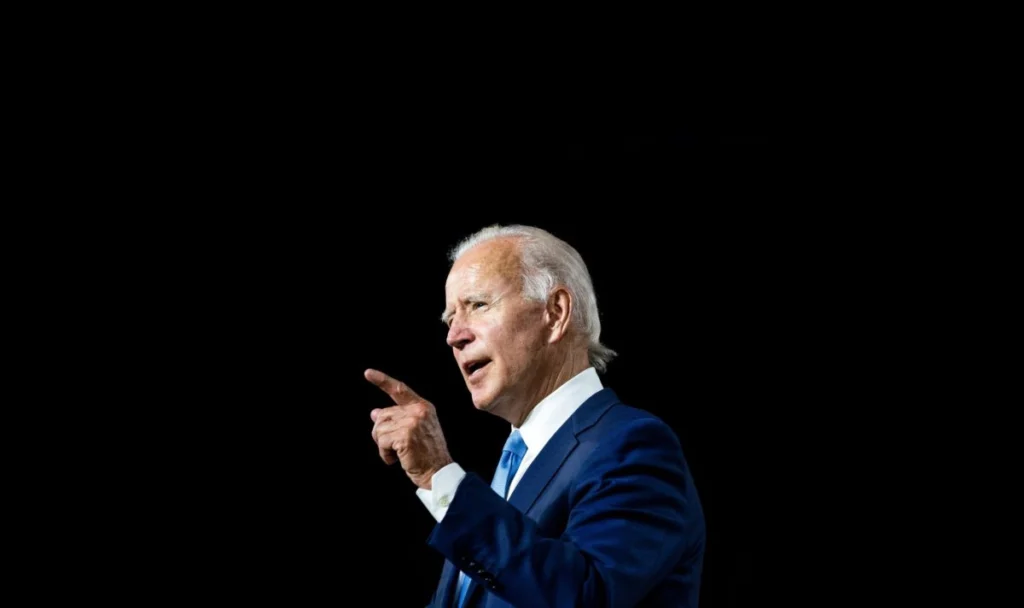
Adapting to Biden’s US-Asia Pacific Policy

Adapting to Biden’s US-Asia Pacific Policy January 5, 2022 ‘Biden understands the national mood and consensus that China represents a threat to the US rather than an opportunity – and that constrains his flexibility on what he can do.’ ‘The Biden team is better at ‘quiet diplomacy’ because there are more long-term players. They’re not necessarily smarter but are more experienced.’ ‘What is being done is an attempt to turn China into a focal point of foreign policy, particularly for the Asian region – but not make it a focal point for activity. Japan policy, Korea policy, SE Asia policy all come from China policy. But they will not lead to intense direct engagement with China.’ While upholding Trump-era tariffs and sanctions, the Biden administration has made a nuanced shift towards ‘competitive co-existence’; a move away from outright antagonism. While this recalibration may take a backseat to pressing domestic issues, there is a strong undercurrent to achieve supply chain independence from China, which will reshape global trade dynamics. The technological rivalry, particularly in semiconductors and AI, is at the forefront of this strategic game. Re-engagement with ASEAN and a potential free trade deal with Taiwan add layers to the complexity. In this evolving geopolitical landscape, Biden’s preference for ‘quiet diplomacy’ and alliance-building is more than a policy choice; it’s a strategic imperative for the US to maintain its influence in Asia Pacific. Dive deeper.Explore the implications for business and strategy. Log in for the full Forum Insight. Join the peer-group discussion at upcoming Forum events. LOG IN Not yet a member?Contact us to learn more. You might also find these insights valuable Asean Asia Pacific China Exchange Rates Forecast Geopolitics Japan Leadership Market Strategy Team-Building China’s AI Evolution: Strategic Insights for Executives May 21, 2025/No Comments China’s AI Evolution: Strategic Insights for Executives May 21, 2025 ‘The requirements imposed on China’s AI products matter. They will… Read More Executive Insights on China’s Sales Outlook May 21, 2025/No Comments Executive Insights on China’s Sales Outlook May 21, 2025 Our quarterly China Survey compiles insights from our members to provide… Read More Indonesia’s Promise: CEOs are confident but cautious May 21, 2025/No Comments Indonesia’s Promise: CEOs are confident but cautious May 21, 2025 ‘So long as they maintain political stability and reasonably good… Read More Load More End of Content.

Scroll to Top